In today’s global trade environment, one thing is certain: tariffs are changing the way companies do business. Political and economic shifts can change tariff structures overnight, creating uncertainty for importers and project logistics professionals alike. For many, this unpredictability has become one of the most significant challenges in maintaining profitability and cash flow.
At Harbor Freight Transport (HFT), we’ve seen firsthand how these fluctuations affect our clients. That’s why we’ve made it our mission to educate shippers and provide tools to help mitigate those risks—starting with one of the most powerful solutions available: bonded warehousing.
Turning Uncertainty into Opportunity
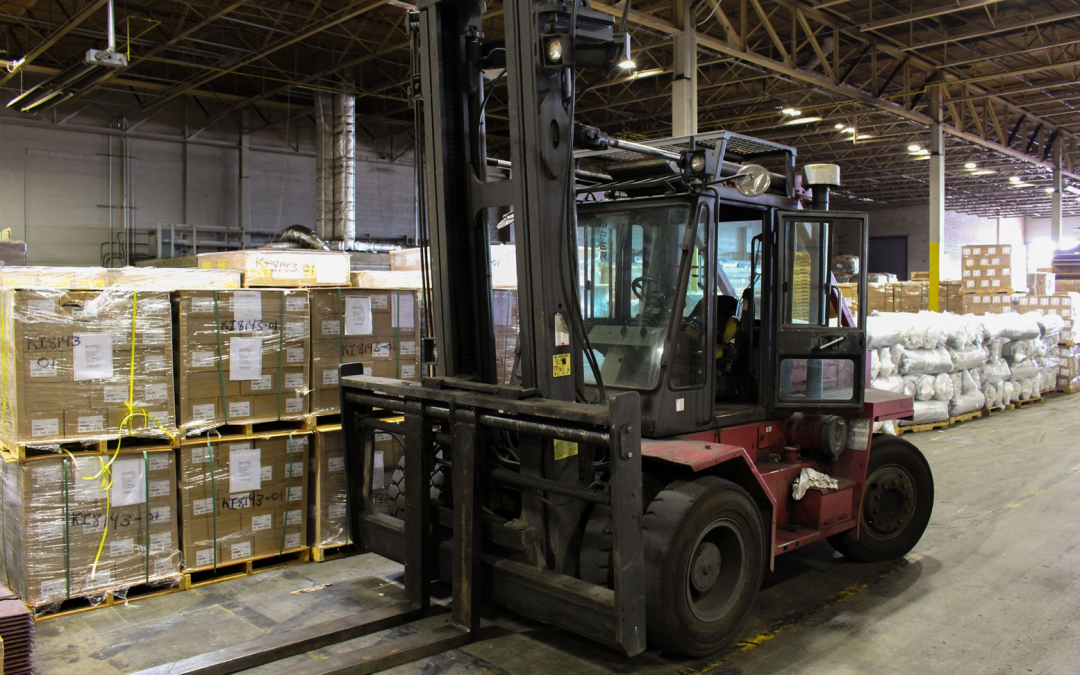
HFT operates multiple Class 3 Customs Bonded and CFS Bonded facilities in Savannah (GA), Newark (NJ) and Kearny (NJ), giving our clients the flexibility and control needed to manage tariff exposure. By using bonded warehouses, importers can store cargo closer to the end user while deferring duties and taxes until the moment the goods are withdrawn from the facility.
This approach transforms tariff management from a financial burden into a strategic advantage. Instead of paying duties and taxes immediately upon entry, companies can delay those payments—sometimes for months—until the product is actually needed in the market.
The Cash Flow Advantage
Consider a large importer handling 10,000 containers a year. Paying duties and tariffs upfront could cost millions of dollars monthly—money that comes straight off the bottom line. With bonded warehousing, that same importer can bring goods into the U.S., store them securely at an HFT facility, and only pay duties when the product is sold or moved into domestic commerce.
That’s a cash flow play with measurable impact. It frees capital for reinvestment, helps stabilize operations amid changing trade policies, and provides flexibility to adapt to evolving tariff rates.
Agile Inventory, Smarter Strategy
Bonded warehousing also enables inventory agility. Importers can choose to customs-clear only their fast-moving products, holding slower-moving items in bond until needed. This minimizes exposure to fluctuating tariff rates and prevents unnecessary payments on inventory that’s not yet generating revenue.
For logistics leaders navigating today’s unpredictable trade landscape, this agility isn’t just convenient—it’s essential.
Harbor Freight Transport: A Partner in Risk Mitigation
At Harbor Freight Transport, we view bonded warehousing as more than just a compliance mechanism. It’s a strategic tool for mitigating risk, improving cash flow, and maintaining operational flexibility. Our bonded facilities and experienced team help clients manage imports efficiently while maintaining full customs compliance.
In a world where tariff uncertainty continues to challenge even the most established supply chains, HFT’s bonded warehousing solutions offer a clear path toward stability and control.
Ready to learn how Harbor Freight Transport can help your company reduce tariff exposure and improve cash flow? Contact us at rates@harborusa.com.